ONE of the most remarkable stories of the Second World War was the allied relationship between Poland and Britain–and especially the Polish Navy’s wartime role in Plymouth from 1939 to 1945.
The story of the Polish Navy in exile is being told at a special exhibition at the Devonport Naval Heritage Centre commemorating the role of Polish forces based in the city throughout the war.
In late August of 1939, as war loomed, the British & Polish governments executed a secret plan entitled Operation Peking, where three Polish destroyers ORP Blyskawica, ORP Burza, and ORP Grom, together with the submarine ORP Wilk, made a daring escape out of the Baltic port of Gdynia to meet with the Royal Navy in the North Sea, just before the German invasion on 1 September 1939.
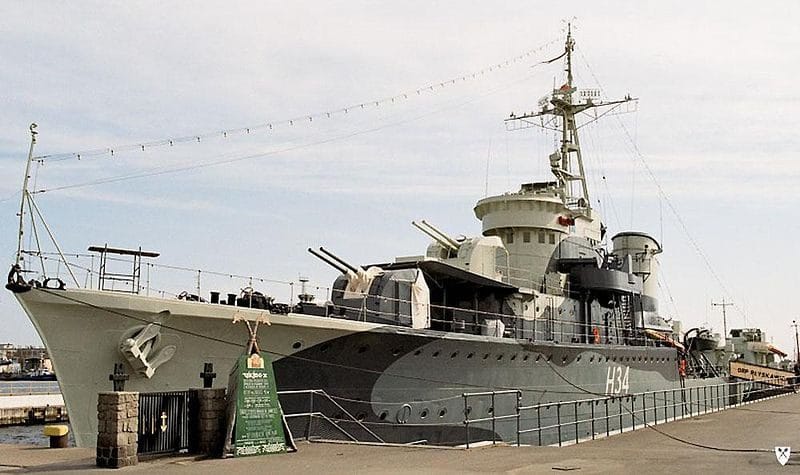
ORP Błyskawica, a Grom-class destroyer that served in the Polish Navy in Plymouth during World War II and is now a museum ship in Gdynia, Poland. The vessel is the world’s oldest preserved destroyer in its original design and equipment, with a history of over 50 years of service.
The Polish vessels initially went to Rosyth before arriving in Plymouth in October 1939 and formed the core of the FREE Polish Navy, which rapidly expanded as former British and other ships were commissioned under the Polish flag, said Peter Dunlop, lead coordinator at the Devonport Naval Heritage Centre.
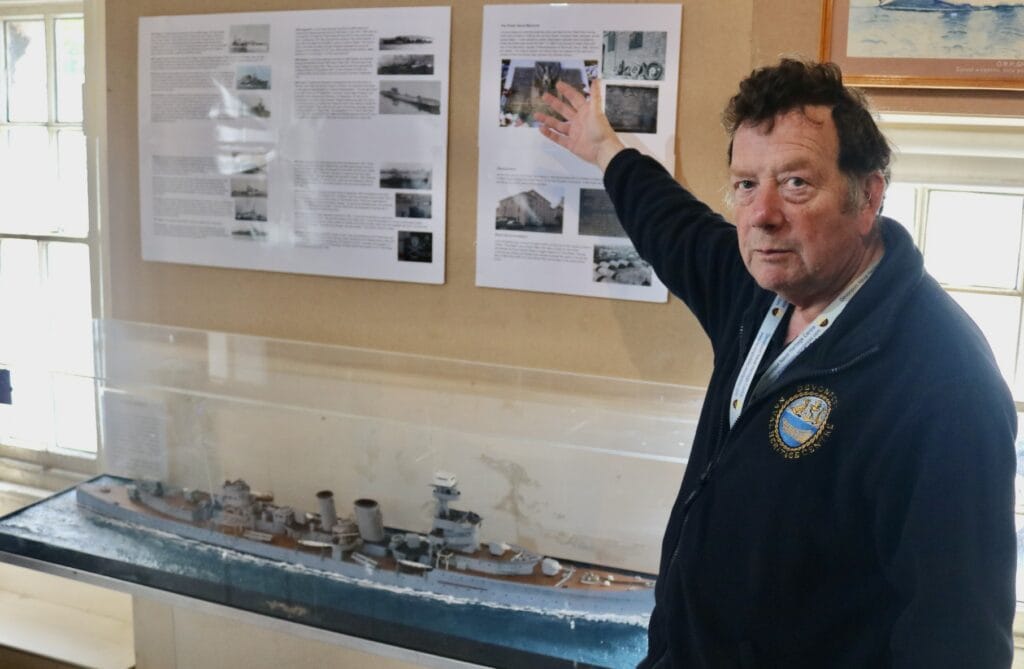
“Operation Peking allowed the free Polish navy to carry on the fight for their homeland and continue alongside Britain and its allies,” he said.
Mr Marcin Bialek, Permanent Representative of the Republic of Poland to the International Maritime Organisation (IMO) in London, said: “We warmly welcome the initiative of the Devonport Naval Heritage Centre in commemorating the contribution of the Polish Navy and Polish service members during the Second World War.”
“Our Polish naval forces’ arrival in British ports, including Devonport, where our service personnel served with exceptional courage and professionalism under allied operational command, taking part in convoy protection, Atlantic operations, and the defence of Europe throughout the war,” he said.
The Devonport Naval Heritage Centre is one of the city’s most unique museums and is run by lead coordinator Peter Dunlop and a team of 30 dedicated volunteers and is FREE to visit with parking.
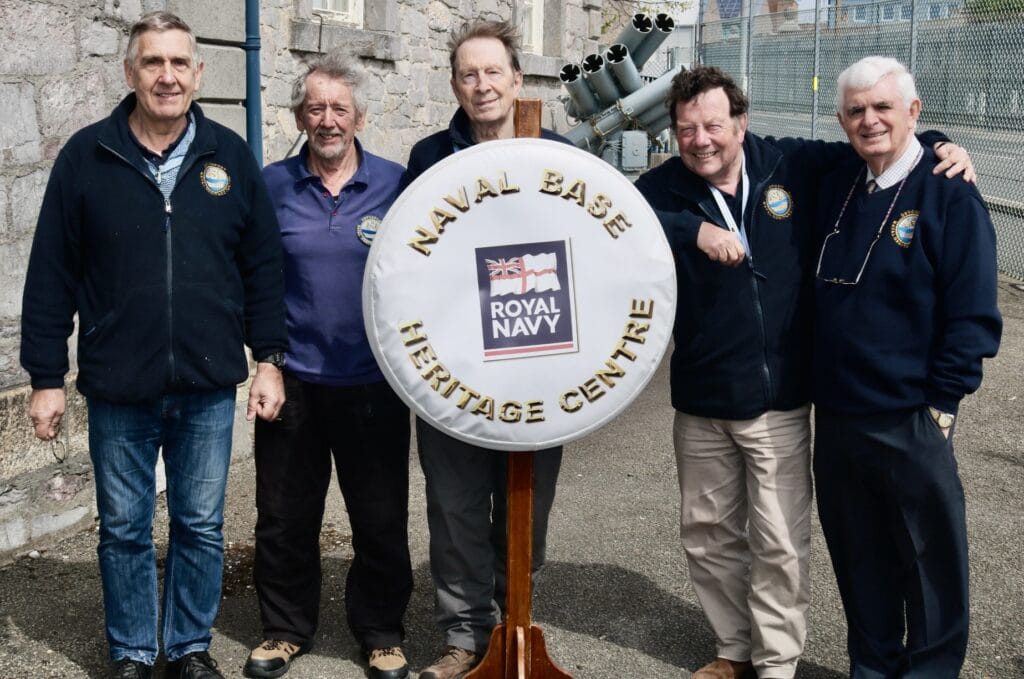
Picture from left to right. Paul Legg, John Matthews, John Williams, Peter Dunlop (lead), Paul Rowse.
Mr Bialek added: “I wish to commend the Devonport Naval Heritage Centre and the volunteers involved in preserving this important shared endeavour for future generations,” said Mr Marcin Bialek.
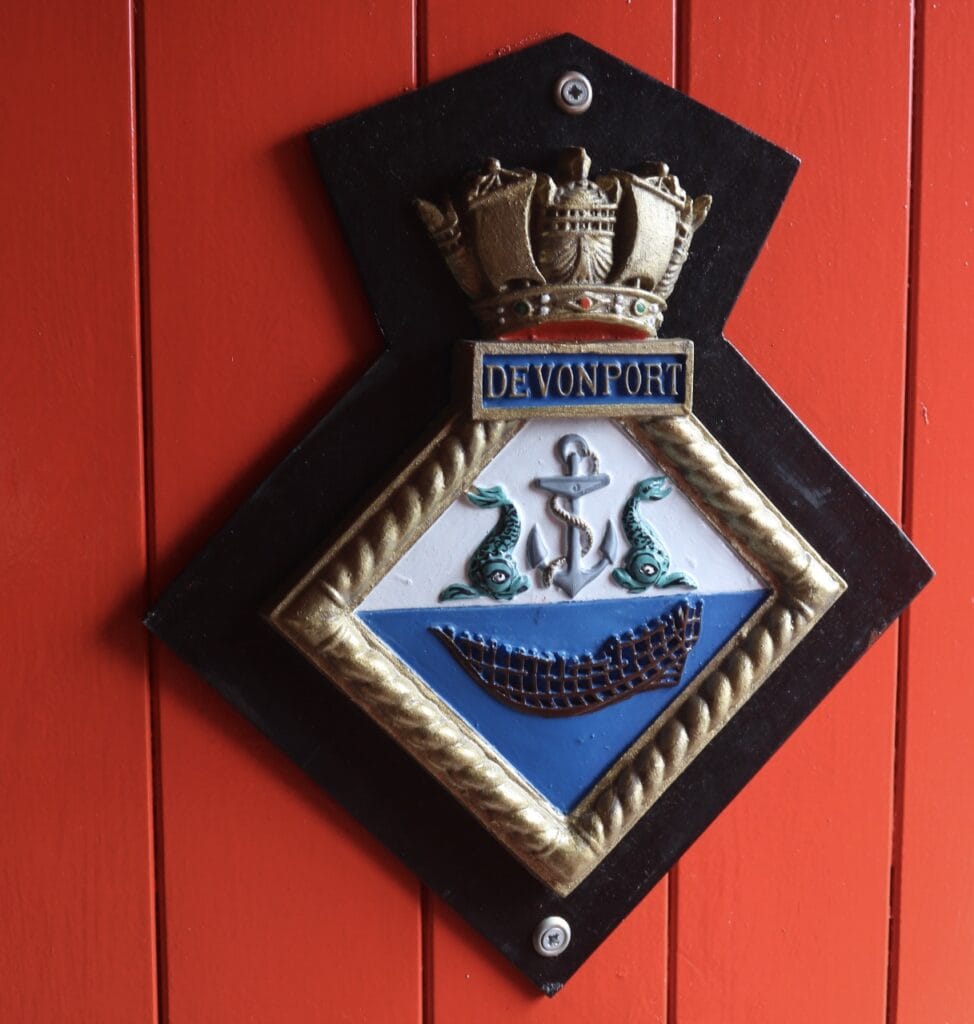
Westward Shipping News backstory on the Devonport Naval Heritage Centre: https://westwardshippingnews.com/saturday-tour-of-the-devonport-naval-heritage-centre/
Mr Marcin Bialek added: “The historic links between Plymouth and Gdynia continue to reflect the enduring friendship between Poland and the United Kingdom, built on shared sacrifice, solidarity, and mutual respect.”
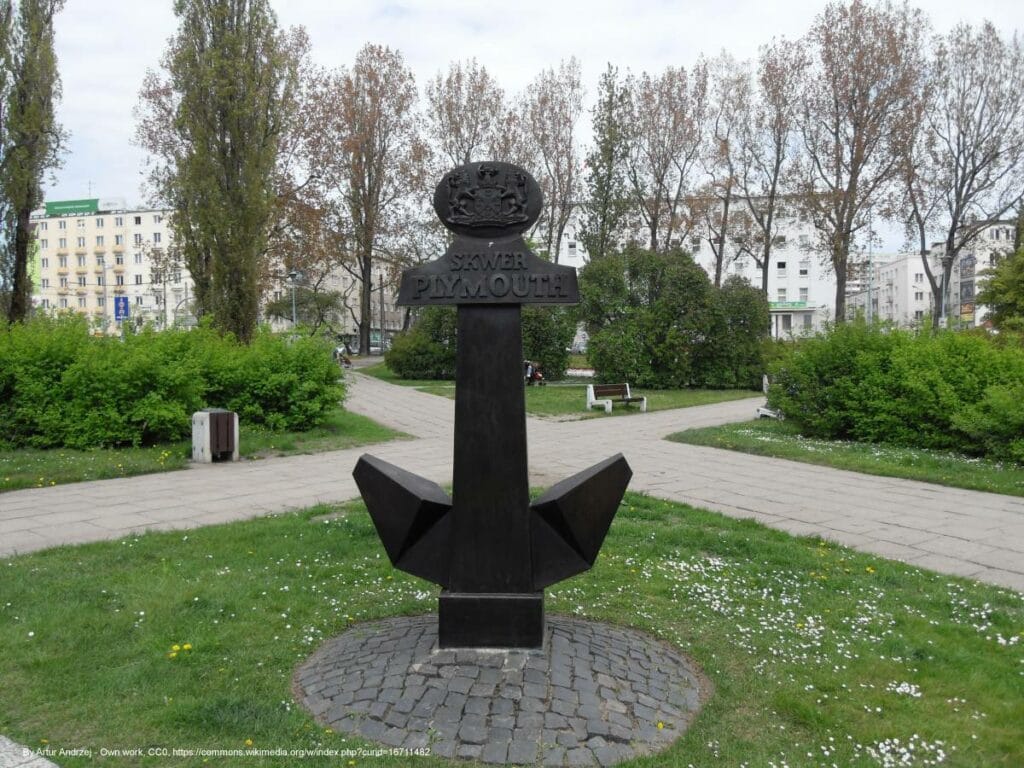
“This relationship remains visible today not only through civic and cultural cooperation but also in Gdynia’s urban landscape, where Skwer Plymouth, centrally located near City Hall, stands as a lasting symbol of friendship and remembrance between the two cities and their shared maritime heritage.”
“We particularly welcome the remembrance of Polish veterans who marched in Plymouth on VE Day, honouring our contribution to the city and the Allied victory,” he said.
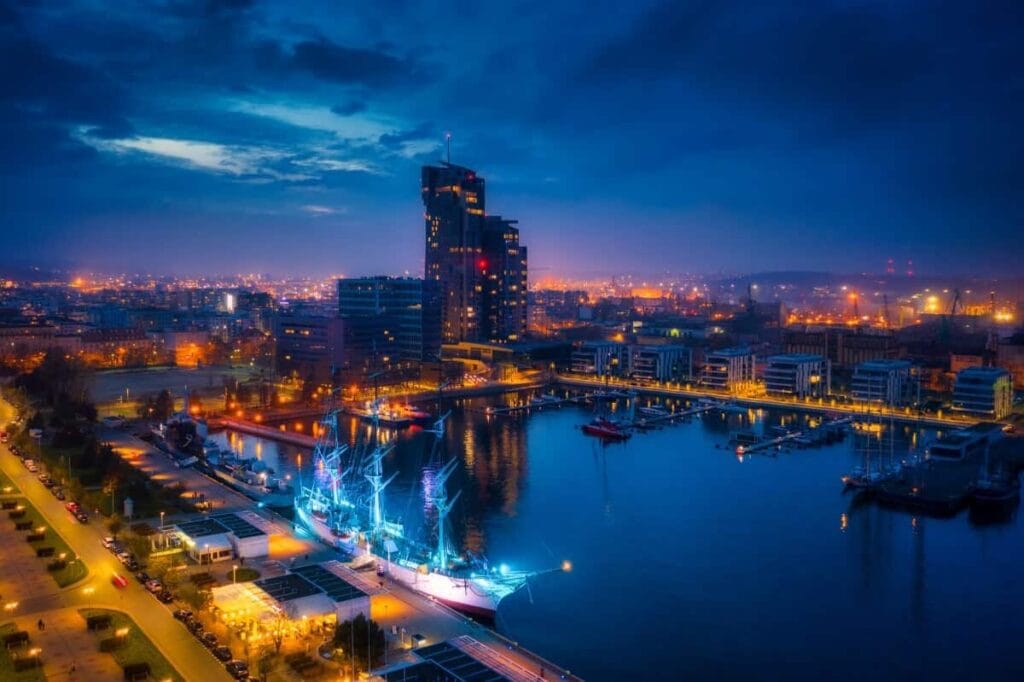
“The twinning relationship between the two port cities remains an important symbol of these ties and demonstrates how the wartime cooperation between British and Polish sailors evolved into a lasting relationship between local communities.”
“As a native of Gdynia, a city whose identity has always been deeply connected to the sea, and as someone whose family has been associated with the maritime economy for generations, I view the historic relationship between Gdynia and Plymouth with particular appreciation.”
“The story of the Polish Navy in the United Kingdom is not only a chapter of wartime history but also a lasting testament to the close bonds between our two countries,” he said.
“The friendship between Gdynia and Plymouth, preserved through generations, reminds us that solidarity at sea can create enduring ties between nations and communities,” said Mr Marcin Bialek, Permanent Representative of the Republic of Poland to the International Maritime Organisation (IMO) in London.
For more information about the Polish Exhibition at the Devonport Naval Heritage Centre, you can view it on their web portal: https://devonportnhc.wordpress.com/